Your internet feels slow or disconnected because your Belkin router setup was incomplete or incorrect. A proper configuration ensures fast speeds and secure connections for all your devices at home.
This guide details every step to complete your Belkin router setup from unboxing to security optimization. You will learn how to connect hardware, access the dashboard, and fix common connection errors quickly.
Unbox and Verify Your Belkin Router Components

Start by ensuring you have every part needed for a successful installation. Missing components can delay your network activation or cause hardware failure.
Check Included Hardware Items
Your box must contain specific items to proceed with the Belkin router setup.
* The Belkin wireless router unit
* Compatible power adapter
* Ethernet cable (often yellow or white)
* Quick start guide documentation
Contact support immediately if any item is missing from your package. Using non-original power adapters may damage your device or void your warranty protection.
Locate Model and Serial Numbers
Flip your router over to find the information label on the bottom surface. You need these details for firmware updates and warranty claims later.
* Model number: Examples include F9K1117 or F5D7234-4
* Serial number: Unique to your specific device
* Default SSID: The factory Wi-Fi name
* Login credentials: Default username and password
Write these numbers down before you begin connecting cables.
Connect Hardware Correctly for Stable Internet
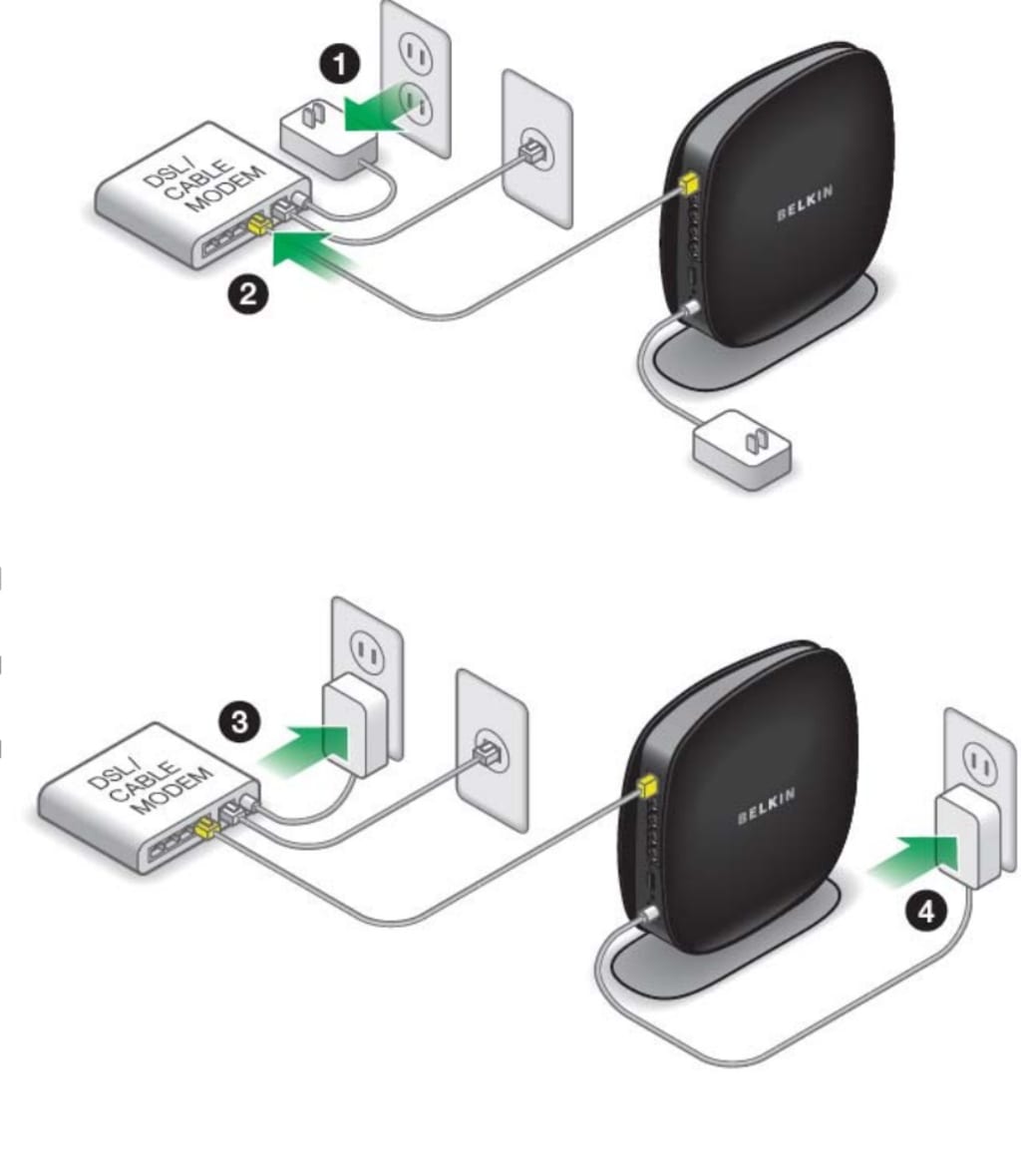
Physical connections form the foundation of your network stability. Incorrect cabling often causes the “no internet” errors users frequently report.
Link Router to Modem Properly
Follow this exact sequence to establish a solid connection between your modem and router.
1. Power off your cable or DSL modem completely.
2. Plug one end of the Ethernet cable into the modem LAN port.
3. Insert the other end into the blue or black Internet (WAN) port on your Belkin router.
4. Turn on the modem and wait 60 seconds for it to fully restart.
5. Connect the router to power and switch it on.
Wait two minutes for the lights to stabilize before proceeding to software configuration.
Interpret Router Light Patterns
Your router LEDs provide immediate feedback on the connection status.
* Blinking Internet light: The device is establishing a connection.
* Solid green or white: You have a successful internet connection.
* Red or off light: There is no signal detected from the modem.
Place your router away from microwaves and thick metal objects to maximize signal strength.
Access Belkin Setup Dashboard via Browser
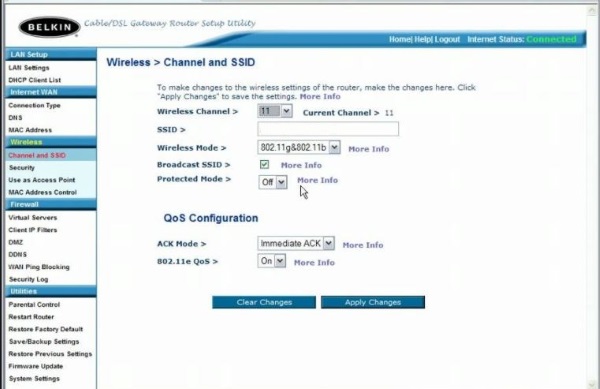
You must access the internal web interface to configure your network settings. This step transforms the hardware into a functional Wi-Fi source.
Connect to Default Belkin Network
Use a computer or smartphone to join the factory Wi-Fi network.
1. Open Wi-Fi settings on your device.
2. Select the default network name listed on the router label.
3. Enter the default password found on the same sticker.
You can also use an Ethernet cable for a more stable connection during this process.
Open Router Admin Page
Launch your preferred web browser like Chrome, Firefox, or Safari. Type the following address into the address bar exactly as shown.
* f5d7230-4.setup
* 192.168.2.1
Press Enter to load the login page. Try a different browser or clear your cache if the page fails to load.
Log In to Router Interface
Enter the default credentials to access the main dashboard.
* Username: Leave blank or type admin
* Password: Type admin (case-sensitive)
Click Submit to enter the system. You are now ready to customize your network.
Configure Wi-Fi Network Settings

Customize your network name and password to secure your home data. Default settings leave your network vulnerable to unauthorized access.
Set Custom Network Name (SSID)
Navigate to Wireless or Wireless Settings in the menu. Enter a unique name under Network Name (SSID) that does not reveal personal information. You can create separate names for 2.4 GHz and 5 GHz bands if your model supports dual bands.
Choose Wi-Fi Security Mode
Select WPA2-Personal (AES) under the Security Mode or Authentication section. This option provides the best security for home networks. Avoid older protocols like WEP or WPA (TKIP) as they are easily compromised.
Create Strong Password
Enter a new passphrase in the Pre-Shared Key field.
* Use at least 12 characters
* Mix letters, numbers, and symbols
* Example: MyHomeWiFi@2024!
Save your changes. The router will reboot automatically to apply the new security settings.
Finalize and Test Connection
Verify that your new network functions correctly across all your devices. Testing ensures you achieve the speeds you pay for.
Reconnect Devices to New Network
Update the Wi-Fi settings on your phone, laptop, and tablet. Find your new custom SSID and enter the password you just created. Open a website on each device to confirm full internet access.
Run Speed and Signal Test
Visit a speed test website on a connected device to measure performance. Compare the results with your ISP plan specifications. Walk around your home to identify any weak signal areas that might need better router placement.
Update Firmware for Best Performance
Firmware updates fix bugs and patch security vulnerabilities. Keeping your software current is vital for long-term reliability.
Check Current Firmware Version
Log into 192.168.2.1 and navigate to System Settings or Firmware Upgrade. Note the version number currently installed on your device.
Download and Install Update
Visit the official support site and enter your model number to find the latest file.
1. Download the .bin firmware file for your specific model.
2. Return to the router page and click Browse or Choose File.
3. Select the downloaded file and click Upgrade.
Do not power off the router during this process. The update takes three to five minutes to complete.
Troubleshoot Common Setup Issues
Resolve frequent errors quickly with these targeted solutions. Most problems stem from simple configuration mistakes.
Can’t Access f5d7230-4.setup?
Try using the IP address 192.168.2.1 instead of the domain name. Connect via Ethernet cable and flush your DNS by typing ipconfig /flushdns in the command prompt. Ensure you are not typing “www” or “http” in the address bar.
No Internet After Setup?
Verify that the modem lights are stable and the Ethernet cable connects the modem to the router WAN port. Restart both the modem and router. Contact your ISP if the issue persists as the service itself might be down.
Forgotten Admin Password?
Reset the router to factory defaults if you cannot log in.
1. Locate the small Reset hole on the back of the router.
2. Press and hold the button with a paperclip for 10 seconds.
3. Release when the lights flash and repeat the Belkin router setup.
Optimize Wi-Fi Performance
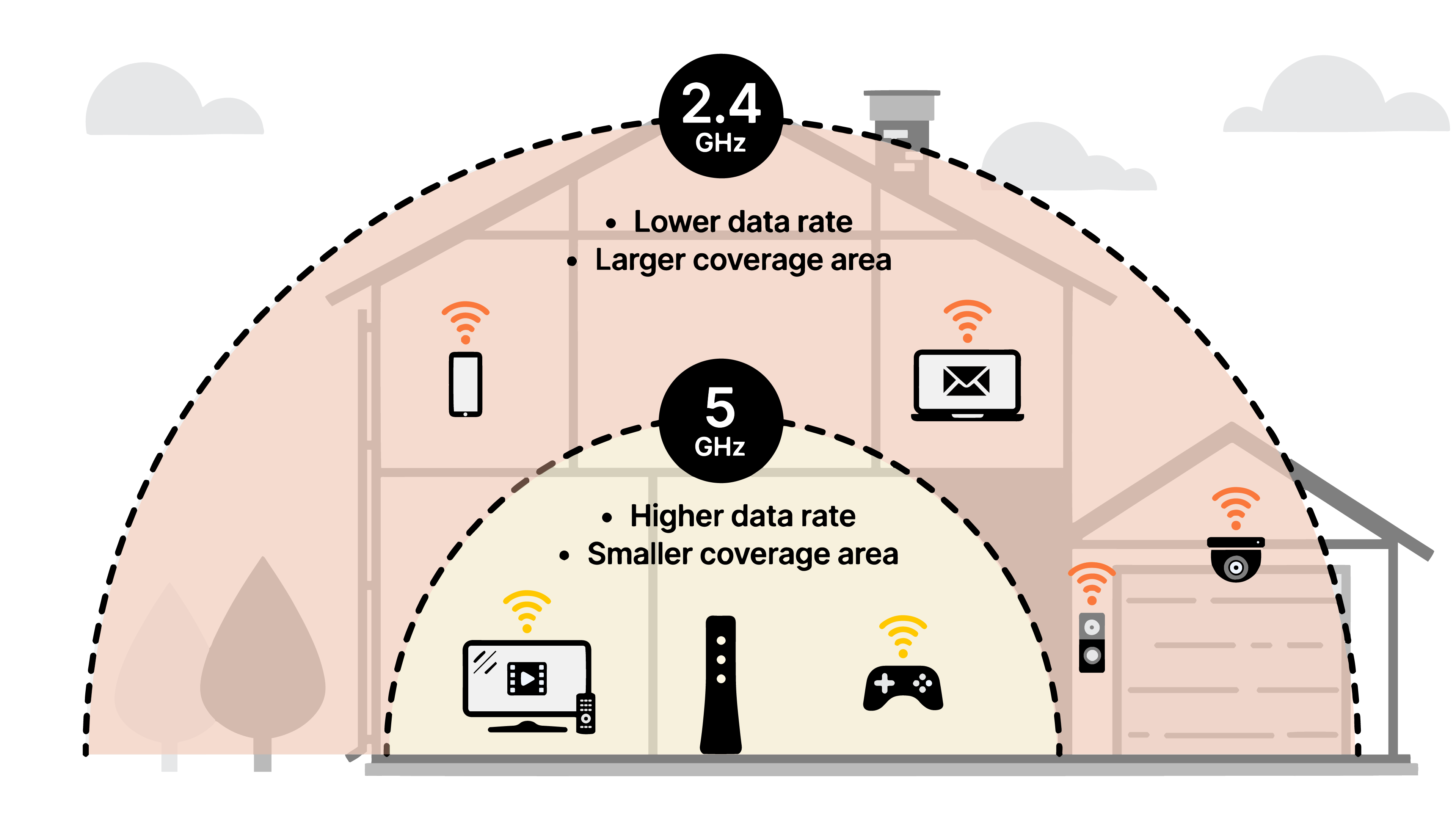
Strategic placement and band selection improve your wireless experience. Small adjustments can eliminate dead zones.
Position Router Centrally
Place the router in an open, central location elevated on a shelf. Avoid enclosing it in cabinets or placing it near large appliances that cause interference.
Use 5 GHz for Speed, 2.4 GHz for Range
Select the 5 GHz band for streaming and gaming due to faster speeds. Use the 2.4 GHz band for smart home devices that require better wall penetration.
Limit Interference
Change your Wi-Fi channel to 1, 6, or 11 on the 2.4 GHz band to reduce congestion. Keep your device drivers updated and limit the number of active connections during heavy usage.
Secure Your Belkin Network
Protect your data by changing default credentials and disabling vulnerable features.
Change Default Admin Credentials
Go to System Settings and select Administrator Password. Replace the default login with a unique, strong password to prevent unauthorized access to your router settings.
Disable WPS
Wi-Fi Protected Setup (WPS) has known security flaws. Navigate to Wireless Settings, find WPS, and select Disable to enhance your network security posture.
Enable Guest Network
Create a separate network for visitors to keep your main devices safe.
* Go to Guest Network settings
* Turn on the guest option for 2.4 GHz or 5 GHz
* Set a separate SSID and password
* Enable Client Isolation to block guest-to-device communication
When to Contact Belkin Support
Some issues require professional assistance or hardware replacement.
Hardware Failure Signs
Contact support if your router overheats, shows a persistent red light, or emits a burning smell. Frequent disconnections despite correct setup may also indicate a hardware defect.
Warranty and Replacement
Most products come with a limited warranty for defects. Visit the official support site to complete the product replacement form if your device fails. Keep your purchase receipt ready for validation.
Frequently Asked Questions About Belkin Router Setup
What is the default IP address for Belkin router setup?
The default IP address is usually 192.168.2.1. You can also try typing f5d7230-4.setup in your browser address bar to access the login page.
How do I reset my Belkin router if I forget the password?
Press and hold the reset button on the back of the router for 10 seconds using a paperclip. This restores factory settings, allowing you to start the Belkin router setup again.
Why is my Belkin router blinking orange or red?
A blinking orange or red light indicates no internet connection. Check your Ethernet cables, ensure the modem is on, and verify your ISP service status.
Can I use my own Ethernet cable for Belkin router setup?
Yes, you can use any standard Ethernet cable. However, ensure it is not damaged and is rated for your internet speed requirements.
How often should I update my Belkin router firmware?
Check for firmware updates every few months or whenever you experience connectivity issues. Regular updates ensure your network remains secure and performs optimally.
Key Takeaways for Successful Belkin Router Setup
A successful Belkin router setup requires careful hardware connection and secure configuration. Always change default passwords and update firmware to protect your network from threats.
Proper placement and band selection will maximize your Wi-Fi coverage and speed. Follow these steps to enjoy a fast and reliable home network today.