Staring at a login screen while searching for the routerlogin net admin password is a frustrating experience many homeowners face. Whether you need to update security settings or fix connectivity issues, being locked out stops you from managing your network effectively.
This guide provides direct solutions to access your NETGEAR router using default credentials or recovery tools. You will learn how to bypass login errors, reset forgotten passwords, and secure your admin panel against unauthorized access.
Access Your Router via Routerlogin Net
Reaching your router settings requires connecting to the correct local address. The domain routerlogin.net acts as a shortcut to your device’s internal interface without needing an internet connection.
Use the Correct Web Address
Open your preferred browser and type http://www.routerlogin.net directly into the address bar. Do not use a search engine box, as this will only show search results. If the primary domain fails, try the alternative http://www.routerlogin.com.
Try Direct IP Addresses
Some devices struggle with domain resolution. Enter 192.168.1.1 or 192.168.0.1 into the address bar if the domain name does not load. These numerical addresses point straight to your router hardware.
Ignore Browser Security Warnings
Your browser may display a “Not Secure” warning because the router uses a local certificate. This is normal behavior for local devices. Click Advanced and select Proceed to continue to the login screen safely.
Default Admin Password: What to Try First
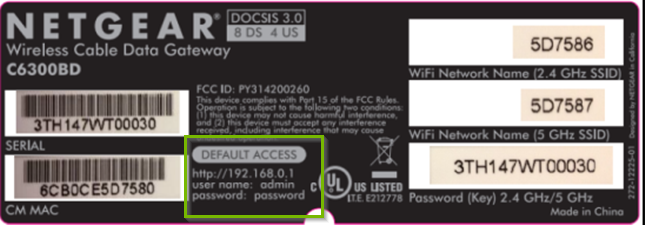
Most NETGEAR routers use a standard set of credentials until a user changes them. Knowing these defaults is the fastest way to regain access to your network settings.
Standard Login Credentials
Enter admin as the username and password as the password. Both entries are case-sensitive and must be typed in lowercase letters. This combination works for most Nighthawk and older NETGEAR models.
Check for Unique Label Passwords
Newer router models feature unique passwords printed on a sticker. Look at the bottom or back of your device for a label listing a specific admin password. Use this unique code instead of the standard default if available.
Test Common Variations
If the standard pair fails, try these common alternatives:
* Username: admin, Password: 1234
* Username: admin, Password: admin
* Username: admin, Password: (leave blank)
* Username: root, Password: varies by model
Fix Common Login Problems
Access issues often stem from simple connection errors or browser glitches. Troubleshooting these areas can resolve most login failures quickly.
Resolve Page Loading Errors
Ensure your device connects to your NETGEAR Wi-Fi network rather than mobile data. Disable any active VPNs since they route traffic away from your local network. Clear your browser cache or use an Incognito window to rule out stored data conflicts.
Correct Authentication Failures
Verify that Caps Lock is off before typing your credentials. Double-check for typos in the username or password fields. Remember that the system distinguishes between uppercase and lowercase letters strictly.
Avoid Using Unsupported Apps
Do not attempt to log in using the outdated NETGEAR Genie app. This software is no longer supported and may cause connection errors. Use the modern Nighthawk app or a web browser for reliable access.
Recover a Forgotten Admin Password
You can regain access without erasing your settings if you enabled recovery features previously. This process requires your router serial number and security answers.
Use the Recovery Feature
Click Cancel on the login prompt to open the recovery page. Enter the Serial Number found on your router label. Answer your two security questions correctly to set a new admin password.
Perform a Factory Reset
A physical reset is necessary if recovery was never enabled. Locate the reset pinhole on the back of your router. Hold a paperclip against the button for 7 to 10 seconds until the power LED blinks.
Reconfigure After Reset
Wait two minutes for the router to reboot completely. Log in using the default credentials or the unique password on the label. You must rebuild your Wi-Fi name and password settings from scratch.
Change or Update Your Admin Password
Securing your router requires changing the default password immediately after login. This prevents unauthorized users from altering your network configuration.
Navigate to Security Settings
Log in to the admin panel and select ADVANCED. Choose Administration from the menu sidebar. Click Set Password to begin the update process.
Create a Strong New Password
Enter your current password then type a complex new one. Use a mix of letters, numbers, and symbols with at least 12 characters. Avoid using dictionary words or personal information.
Enable Password Recovery
Check the box labeled Enable Password Recovery before saving. This step ensures you can recover access if you forget the new password later. Click Apply to save changes and log in again.
Keep Firmware Updated for Security
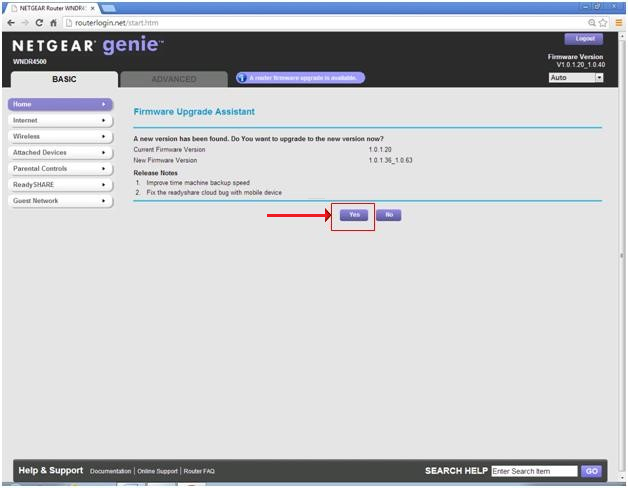
Outdated firmware leaves your network vulnerable to attacks. Regular updates patch security holes and improve overall router performance.
Check for Available Updates
Go to ADVANCED > Administration > Router Update. Click Check to see if a newer version exists. Follow the on-screen prompts to download and install the update automatically.
Prevent Update Interruptions
Never unplug the router during an update. The process takes about two minutes and can brick the device if power is lost. Let the router reboot on its own after installation finishes.
Enable Automatic Updates
Turn on the Automatic Update feature if your model supports it. This setting ensures your router stays protected without manual checks. Check manually every few months if auto-update is unavailable.
Use the Nighthawk or Orbi App for Easy Access
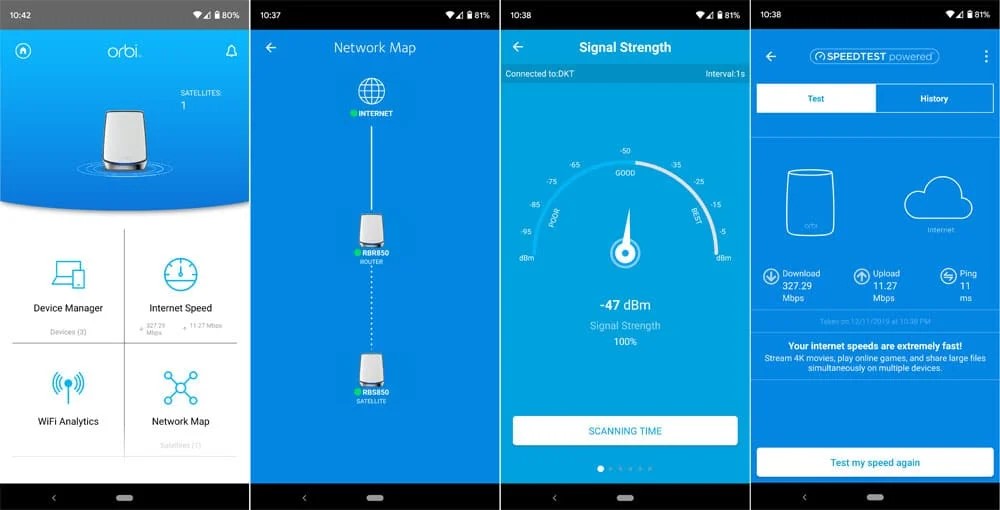
Mobile apps offer a convenient way to manage your network from anywhere in your home. These tools provide quick access to essential settings without a computer.
Manage Networks with Nighthawk App
Download the Nighthawk app for iOS or Android devices. Connect your phone to your Wi-Fi network and open the app to view connected devices. You can run speed tests and pause internet access instantly.
Configure Orbi Mesh Systems
Use the Orbi app or visit orbilogin.com for mesh systems. The interface allows you to manage satellite units and optimize coverage. Enter your admin password to access these advanced mesh features.
Know Your Router’s Security Settings
Understanding the difference between admin and Wi-Fi credentials protects your network from intruders. Proper configuration keeps your data safe from external threats.
Disable Remote Management
Remote management allows access from outside your home network. Go to ADVANCED > Administration > Remote Management and ensure it is disabled. Keep this off unless you specifically need external IT support.
Distinguish Admin From Wi-Fi Passwords
Your admin password controls router settings while the Wi-Fi password connects devices. Changing one does not change the other. Use different strong passwords for both layers of security.
Update Wireless Security
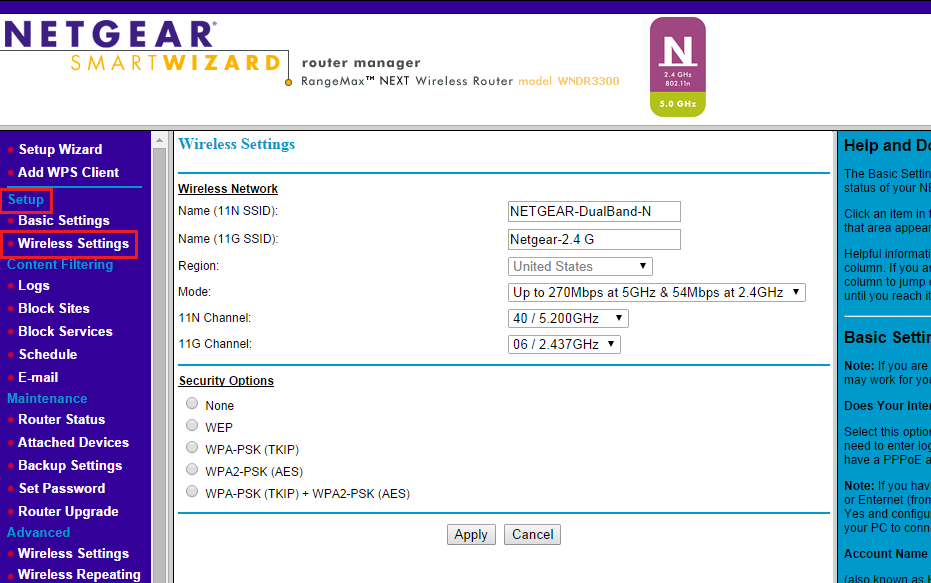
Navigate to Wireless > Settings to change your Wi-Fi password. Enter a new passphrase and click Apply. All your devices will need to reconnect using the new wireless password.
Troubleshoot Model-Specific Issues

Different router series may have slight variations in their login processes. Knowing your specific model helps resolve unique access challenges.
Address WiFi 6 and 6E Router Needs
Models like RAX40 and RAXE300 follow standard login procedures. Some prompt for a custom password during initial setup. Use the label credentials if standard defaults fail on these newer units.
Resolve Older Router Conflicts
Legacy Nighthawk and AC routers like R7000 use the same default IPs. Firmware updates are critical for these older models due to known vulnerabilities. Use the IP address method if domain names fail on older hardware.
Handle ISP-Branded Variants
Routers provided by ISPs may have customized interfaces. Contact your service provider if standard NETGEAR methods do not work. They may have locked specific advanced settings remotely.
Frequently Asked Questions About Routerlogin Net Admin Password
What if routerlogin.net does not load?
Ensure your device connects to your NETGEAR Wi-Fi network. Try using the IP address 192.168.1.1 or 192.168.0.1 instead. Clear your browser cache or try a different browser entirely.
Can I use the NETGEAR Genie app to log in?
No, the NETGEAR Genie app is no longer supported. You should download the Nighthawk app for standard routers or the Orbi app for mesh systems. These newer apps provide full functionality and security updates.
Does changing the admin password change my Wi-Fi password?
No, these are two separate credentials. Changing the admin password only affects access to the router settings page. You must change the Wi-Fi password separately in the Wireless settings menu.
What happens if I factory reset my router?
A reset erases all custom settings including Wi-Fi names and passwords. Your router returns to its original factory state. You will need to set up your network configuration from the beginning.
Is the login page accessible from outside my home?
By default, the login page is only accessible from within your local network. Remote management must be enabled explicitly to allow outside access. It is safer to keep this feature disabled.
Where can I find my router serial number?
Look for a sticker on the bottom or back of your router unit. The serial number is printed clearly on this label. You need this number for password recovery procedures.
Key Takeaways for Routerlogin Net Admin Password Success
Regaining access to your network starts with trying the default admin and password credentials. If those fail, use the recovery feature or perform a factory reset to restore control. Always enable password recovery after setting a new admin password to prevent future lockouts.
Secure your network immediately by changing default credentials and updating firmware regularly. Distinguish between your admin password and Wi-Fi password to maintain layered security. Take action now by logging into routerlogin.net and verifying your current security settings.