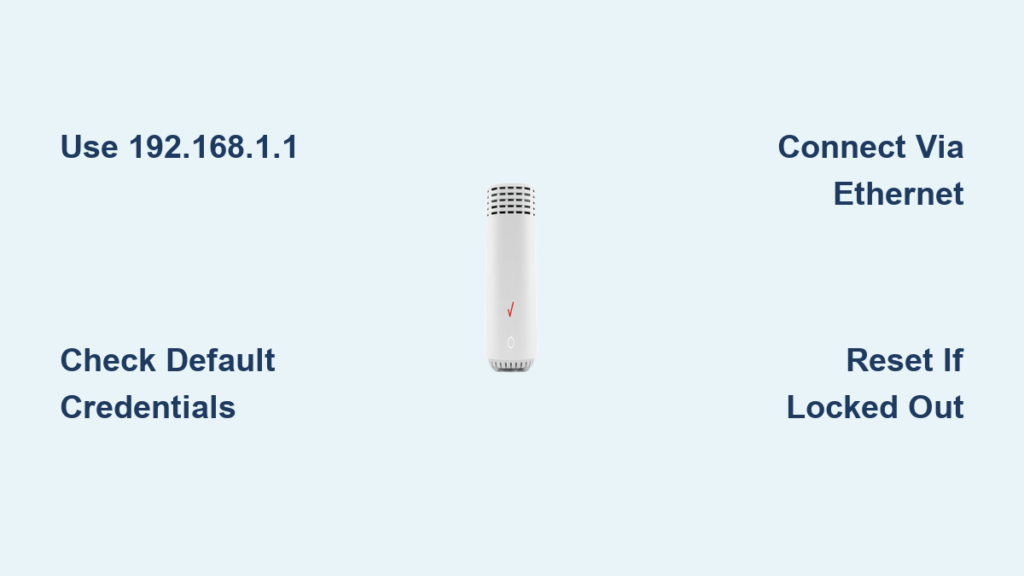
Your internet feels slow or a new device won’t connect, so you need to change your Wi-Fi settings immediately. The solution starts with a successful Verizon router login to reach your admin panel.
This guide shows exactly how to access your dashboard, fix common connection errors, and secure your network against intruders. You will learn the correct IP addresses, default credentials, and troubleshooting steps to regain full control.
Establish a Stable Physical Connection
Your computer must share the same local network as the router before any login attempt can succeed. A wired Ethernet connection offers the highest stability for critical configuration changes like firmware updates.
Connect Using an Ethernet Cable
Plug one end of an Ethernet cable into a LAN port on your router and the other into your computer. Check that the connection lights on both devices glow solidly to confirm a active link. This method prevents disconnection if you change wireless settings during your session.
Connect Via Wi-Fi Network
Locate the sticker on the back of your router to find the default network name starting with “Verizon” or “VZ”. Enter the matching password from the same label to join the network on your device. Open a browser and load any website to verify your internet connection works before proceeding.
Pro Tip: Always use a wired connection when performing a factory reset or firmware update to avoid bricking the interface.
Access the Admin WebGUI Interface
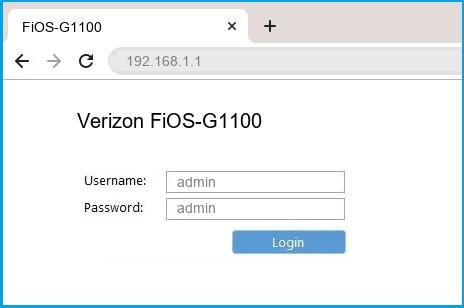
The Admin WebGUI is the control center for your entire home network, accessible only through specific IP addresses. You must type these numbers directly into your browser address bar rather than searching for them on Google.
Enter the Correct IP Address
Open Chrome, Firefox, or Edge and type 192.168.1.1 into the address bar to reach most Verizon routers including the CR1000A. If that address fails to load, try the alternative 192.168.100.1 which newer models often use. Ensure you type the numbers exactly as shown without adding any search terms.
Resolve Page Load Failures
- Verify your device connects to the correct Wi-Fi network or Ethernet port.
- Clear your browser cache or switch to incognito mode to bypass stored data.
- Unplug your router for ten seconds then plug it back in to force a reboot.
| Symptom | Immediate Fix |
|---|---|
| Site can’t be reached | Check cable connection or try alternative IP |
| Page times out | Use incognito mode or different browser |
| Redirects to portal | Ensure you are not on a mobile hotspot |
Sign In With Valid Credentials
The login screen requires specific username and password combinations that vary by model and previous configuration history. Using the wrong credentials will lock you out of the system until you correct the input.
Locate Default Login Details
Most routers use admin as the username while some newer models leave this field blank by default. The password is almost always a unique code printed on the physical sticker attached to the back of your unit. Look for a string like VZW123456 rather than generic words like “password”.
Handle Custom Password Scenarios
If a family member or installer changed the password previously, the default sticker code will no longer work. You must recall the custom password they created or prepare to reset the device to factory settings. Attempting to guess repeatedly may trigger a temporary security lockout on some models.
Complete the Authentication Process
Type your username and password carefully into their respective fields on the login page. Click the Sign In button to enter the main dashboard where all network controls reside. If the page reloads with an error, double-check the sticker for typos or capitalization issues.
Secure Your Wireless Network Settings
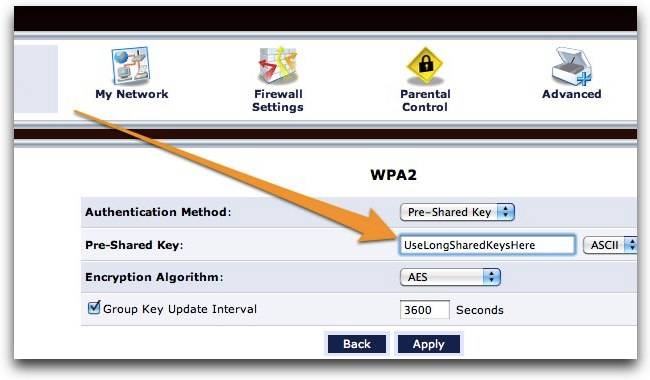
Default network names and passwords leave your data vulnerable to neighbors and hackers within range. Changing these settings immediately after your first Verizon router login creates a essential barrier against unauthorized access.
Change Your Network Name (SSID)
Navigate to the Wireless or Basic Settings menu to find the SSID field for your 2.4 GHz and 5 GHz bands. Replace the default name with something unique that identifies your home without revealing personal details like your address. Click Apply to save the change, which will instantly disconnect all current devices.
Set a Strong Wi-Fi Password
Go to Security Settings and select WPA2-PSK [AES] as your encryption type for maximum protection. Create a custom pre-shared key with at least twelve characters mixing upper and lowercase letters, numbers, and symbols. Avoid using birthdays, pet names, or simple sequences that hackers can easily guess.
✅ Best Practice: Use a password manager to generate and store a secure key so you never forget it.
Reconnect Devices and Manage Access
Your updated security settings require every device in your home to re-authenticate before regaining internet access. This process ensures only authorized users with the new credentials can join your network.
Reconnect All Home Devices
Open the Wi-Fi settings on every smartphone, tablet, laptop, and smart TV in your household. Select your new network name from the list and enter the strong password you just created. Allow five to ten minutes to complete this process for all ten or more devices in an average home.
Enable Guest Network Isolation
Find the Guest Network option in your menu to create a separate connection for visitors and temporary users. Set a different SSID and password for this network to keep your primary devices and files completely isolated. This feature prevents guests from accessing your printers, shared folders, or security cameras.
Utilize Advanced Management Tools
Experienced users can leverage built-in features to prioritize bandwidth and control exactly which devices connect to your network. These tools help optimize performance for gaming, streaming, or remote work scenarios.
Filter Devices by MAC Address
Access the Firewall or MAC Filtering section to create a list of allowed or blocked hardware addresses. Find the MAC address in the network settings of each specific device you want to control. Add these addresses to your filter list to automatically block unknown users or restrict access times.
Prioritize Bandwidth with QoS
Navigate to Quality of Service (QoS) settings to assign higher priority to critical devices like work laptops or gaming consoles. This ensures your most important applications receive sufficient bandwidth even when other devices download large files. Save your settings to apply the new traffic rules immediately.
Update Router Firmware Regularly
Outdated firmware contains security holes that hackers exploit to steal data or hijack networks. Regular updates patch these vulnerabilities and often improve overall speed and stability for your connection.
Check and Install Updates
Go to the Utilities menu and select Firmware Update to see if a newer version is available. Click Check for Updates and follow the on-screen prompts to download and install the latest software package. Do not power off the router during this process as it takes two to five minutes to complete.
🔁 Frequency: Check for updates every three to six months or enable automatic updates if your model supports them.
Troubleshoot Common Login Problems
Technical glitches sometimes prevent access even when you follow every step correctly. Understanding these common issues helps you resolve them quickly without calling technical support.
Fix Page Loading Errors
Ensure your device connects to the correct network and try the alternative IP address if the first one fails. Clear your browser cache completely or switch to a different browser like Firefox if Chrome struggles. Restarting your router often resolves temporary glitches that block the admin page.
Resolve Invalid Credential Errors
Re-examine the sticker on your router to ensure you typed every character correctly including capital letters. If you suspect someone changed the password and you cannot recall it, you must perform a factory reset. Do not attempt to guess the password too many times to avoid temporary lockouts.
Perform a Factory Reset Procedure
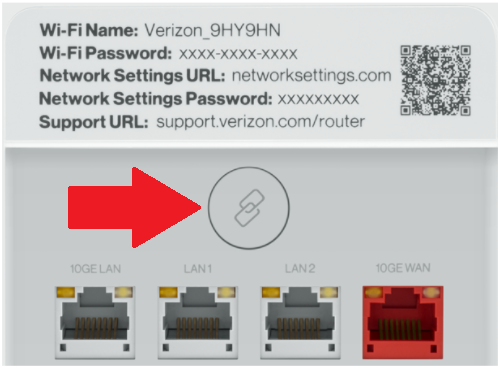
A factory reset erases all custom settings and returns the router to its original state out of the box. Use this only as a last resort when you cannot log in or the system behaves erratically.
Execute the Reset Sequence
Locate the small recessed reset button on the back or side of your Verizon router. Press and hold this button with a paperclip for exactly ten seconds while the device remains powered on. Wait for the lights to flash and the router to reboot, which takes about two to three minutes.
Reconfigure After Resetting
Connect to the default Wi-Fi name and password listed on the sticker since your custom settings are gone. Log in to the admin panel immediately to change the default password and re-apply your security configurations. Remember that port forwarding rules and parental controls will also need to be set up again.
💥 Warning: This action erases all custom SSIDs, passwords, port forwarding, and parental control rules permanently.
Understand Essential Router Terminology
Navigating the admin panel becomes easier when you understand the technical terms used throughout the interface. Familiarity with these concepts helps you make informed decisions about your network configuration.
| Term | Definition |
|---|---|
| Admin WebGUI | Web-based control panel for router settings |
| SSID | Your visible Wi-Fi network name |
| LAN Port | Ethernet port for wired device connections |
| WPA2-PSK | Secure encryption standard for Wi-Fi |
| MAC Address | Unique hardware ID of a network device |
| Firmware | Operating software embedded in the router |
Review Model-Specific Variations
Different Verizon router models may have slight variations in their default IP addresses or interface layouts. Knowing your specific model helps you anticipate these differences during the setup process.
Notes for CR1000A Users
This popular model consistently uses 192.168.1.1 as its default gateway address for admin access. It supports standard features like QoS, guest networks, and MAC filtering through a user-friendly dashboard layout.
Notes for Newer Quantum Gateways
Newer Fios Quantum Gateway models may require 192.168.100.1 for local access instead of the traditional address. Some settings on these units might redirect you to the Verizon Fios mobile app for management tasks. Always check the physical label on your specific unit for the exact default IP.
Follow Critical Security Best Practices
Protecting your home network requires ongoing attention to security settings and regular maintenance habits. Implementing these practices keeps your personal data safe from external threats.
Implement Essential Security Steps
- Change the default admin password immediately after your first Verizon router login.
- Use WPA2 or WPA3 encryption protocols and never leave your Wi-Fi open or use WEP.
- Enable automatic firmware updates to ensure you always have the latest security patches.
- Disable WPS (Wi-Fi Protected Setup) because it represents a known security vulnerability.
- Use a separate guest network for visitors to isolate them from your primary devices.
🛡️ Long-Term Tip: Audit your attached devices list monthly to spot and remove any unknown users.
Frequently Asked Questions About Verizon Router Login
What is the default IP address for Verizon router login?
Most Verizon routers use 192.168.1.1 as the primary default IP address for admin access. Newer models may require 192.168.100.1 if the first address does not load the login page.
Where can I find my Verizon router username and password?
Look for the physical sticker on the back or bottom of your router device. The default username is usually admin while the password is a unique code printed specifically for your unit.
What should I do if I forgot my custom router password?
You must perform a factory reset by holding the reset button for ten seconds to restore default credentials. Be aware that this action erases all custom Wi-Fi names, passwords, and port forwarding rules.
Why won’t the Verizon router login page load?
Ensure your device connects to the same network as the router and try typing the IP address directly into the browser bar. Clear your browser cache, try incognito mode, or restart your router to resolve loading issues.
How do I change my Wi-Fi name after logging in?
Navigate to Wireless Settings in the admin panel, locate the SSID field, and type your desired network name. Click Apply to save changes, then reconnect all your devices using the new name and password.
Key Takeaways for Successful Verizon Router Login
Mastering the Verizon router login process empowers you to secure your network and optimize performance without professional help. You now know how to connect via Ethernet or Wi-Fi, access the admin panel using the correct IP, and apply critical security updates.
Remember to change default passwords immediately, use strong encryption standards, and keep your firmware updated regularly. Take action today by logging into your router to verify your current security settings and protect your digital home.