Is your Cox internet suddenly slow, dropping connections, or not working at all? You are not alone. Many Cox High Speed Internet users experience router-related issues that disrupt streaming, gaming, and remote work. The good news is that most problems can be resolved quickly with basic cox router troubleshooting steps without needing a technician.
Whether your router is blinking red, failing to connect devices, or struggling with weak Wi-Fi signals, this guide walks you through proven fixes. From rebooting your network to diagnosing signal problems and updating firmware, you will learn how to restore reliable internet service in minutes.
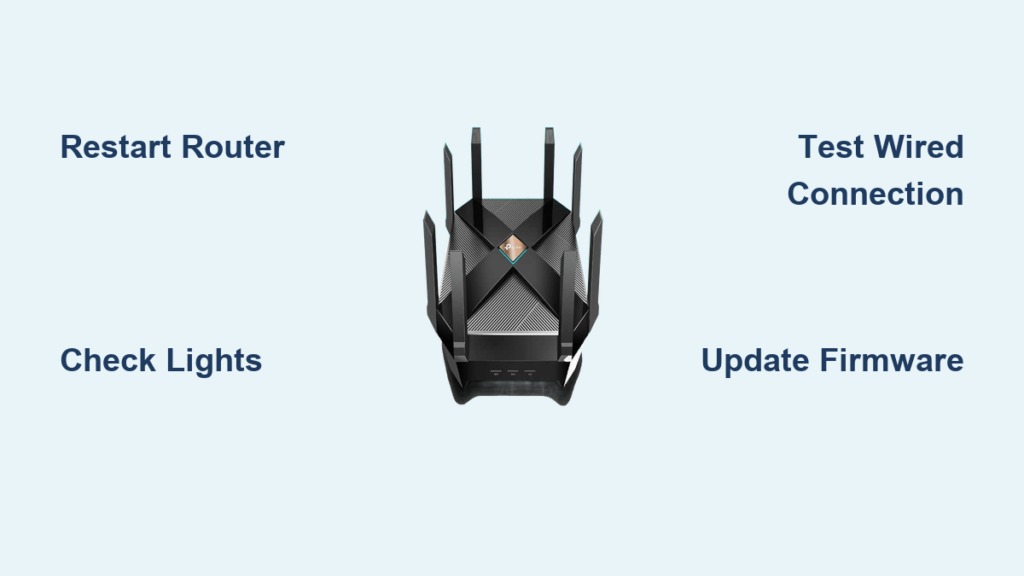
Restart Your Cox Router and Modem

One of the fastest and most effective fixes for internet issues is restarting your equipment. A reboot clears temporary glitches, refreshes connections, and often resolves connectivity problems immediately.
When to Restart Your Router
Restart your Cox router if the internet is completely down or devices cannot connect to Wi-Fi. You should also reboot if speeds are unusually slow or the router lights are blinking red or amber. Do not skip this step even if the router appears to be working, as a reboot can resolve hidden issues.
How to Properly Reboot
Follow these steps for a full reset to ensure all memory is cleared:
1. Unplug the power cable from your Cox gateway or modem-router combo.
2. Wait 30 seconds to allow capacitors to discharge and clear memory.
3. Plug the device back in and wait up to 3 minutes for it to fully reboot.
4. Check the status lights where a solid blue or white light usually means it is online.
If you use separate modem and router units, power cycle both devices. Unplug both, wait 30 seconds, plug in the modem first, wait for it to stabilize, then restart the router.
Check Router Indicator Lights

The status lights on your Cox router provide instant feedback about your connection health. Knowing what each light means helps you diagnose issues fast without guessing.
What Each Light Color Means
Different colors indicate specific states of your network hardware:
* Solid Blue or White means normal operation and active internet.
* Blinking Blue or White indicates the device is booting or attempting to connect.
* Solid Red signals no internet connection due to a signal or service problem.
* Blinking Red suggests a severe issue like hardware failure or a service outage.
* Amber or Yellow means the device is warming up or updating so wait 5 to 10 minutes.
If the light stays red after a reboot, proceed to further diagnostics to find the root cause.
No Lights When Powered On
If the router shows no lights at all, check that the power outlet works by trying another device. Ensure the power adapter is securely connected to both the wall and the unit. Try a different power cable if one is available to rule out cable failure. No lights typically point to a power supply issue rather than a network problem.
Test Your Internet Connection
Before diving into complex fixes, confirm whether the issue is with your router or your specific devices. This step saves time by isolating the source of the failure.
Connect via Ethernet Cable
Plug a computer directly into the router using an Ethernet cable for a direct test. If the wired connection works, the issue is likely Wi-Fi related. If it fails, the problem is with the router itself or the Cox service provider. Wired tests eliminate interference and signal strength variables from your diagnosis.
Run a Speed Test
Use a trusted speed test tool like speedtest.net to measure your actual performance. Connect to your network, run the test, and compare results to your Cox plan’s advertised speeds. If speeds are less than 50% of expected, investigate further using the steps below.
Fix Wi-Fi Connectivity Problems

Weak or unstable Wi-Fi is one of the most common complaints from users. These steps help stabilize and strengthen your signal for better coverage.
Move the Router to a Better Location
Place your Cox router in a central location within your home for optimal distribution. Keep it elevated off the floor and away from walls, metal objects, and appliances like microwaves or cordless phones. Avoid hiding it in cabinets or basements because these structures block signals significantly.
Avoid Wi-Fi Interference
Other electronics and neighboring networks can interfere with your signal quality. Use the 5 GHz band for faster, less crowded connections when close to the router. Switch to 2.4 GHz for better range through walls if distance is an issue. Use Wi-Fi analyzer apps to find the least congested channel for your setup. Log into your router settings to change channels or enable dual-band mode for flexibility.
Clear Network Congestion
Too many devices using bandwidth at once can slow or crash your network entirely. Managing traffic ensures smooth performance for essential tasks.
Limit Connected Devices
Check how many devices are using your network to identify potential bottlenecks. Log in to your router’s admin page usually at 192.168.0.1 or via the Cox app to view connected devices. Disconnect unknown or inactive ones to free up resources. Each connected device uses a small amount of bandwidth even when idle.
Prioritize Important Traffic
Use Quality of Service (QoS) settings to prioritize critical applications on your network. You can give preference to video calls, online gaming, or streaming devices. This ensures critical tasks get the bandwidth they need during heavy use periods.
Update Router Firmware
Outdated firmware can cause bugs, security risks, and poor performance over time. Keeping software current is a vital part of cox router troubleshooting.
Check for Firmware Updates
Most Cox routers auto-update, but you can verify this manually to be sure. Open a browser and go to http://192.168.0.1 to access your settings. Log in with your admin credentials which are often on the router label. Navigate to Administration then Firmware Update and install any available updates. Never interrupt a firmware update as you must keep the router powered the entire time.
Enable Auto-Updates
Ensure automatic updates are turned on in your settings menu. This keeps your router secure and stable against new threats. It also prevents known bugs from affecting performance in the future. If your model does not support auto-updates, set a monthly reminder to check manually.
Reset to Factory Settings

Use this as a last resort because resetting erases all custom settings. Only proceed if other methods have failed to restore service.
When to Do a Factory Reset
Reset if the router will not connect after multiple reboots or you cannot access the admin page. You should also reset if Wi-Fi settings appear corrupted or unusable. Be ready to reconfigure Wi-Fi names, passwords, and parental controls afterward.
How to Perform the Reset
- Locate the Reset button which is a tiny hole on the back of the unit.
- With the router powered on, press and hold the button for 10 to 15 seconds using a paperclip.
- Release when lights flash or the reset pattern begins on the device.
- Wait 3 to 5 minutes for the router to restore default settings.
After reset, log in with default credentials and reconfigure your network from scratch.
Contact Cox Support
If all else fails, reach out to Cox for professional help with your connection. Their team can detect issues you cannot see from home.
When to Call Support
Contact Cox if there is no internet after a full reboot or the status light remains red. You should also call if multiple devices and connections fail simultaneously. Reach out immediately if an outage is reported in your area. Cox technicians can run remote diagnostics and detect line issues quickly.
Use the Cox App for Diagnostics
The Cox Connect app lets you run connection tests from your phone. You can reboot your gateway remotely, view data usage, and chat with support. Download it from the App Store or Google Play for faster troubleshooting options.
Prevent Future Issues
Keep your Cox router running smoothly with proactive care and regular attention. Simple habits prevent major outages down the road.
Schedule Monthly Maintenance
Once a month, reboot your router to clear out temporary cache files. Check for firmware updates and review connected devices for intruders. Clean dust from vents to prevent overheating and hardware failure. A quick maintenance routine prevents slowdowns and crashes effectively.
Upgrade Old Equipment
Cox routers older than 3 to 5 years may struggle with modern demands. Older units often suffer from slower speeds, poor Wi-Fi coverage, and incompatibility with new devices. Consider upgrading to a newer Cox-approved gateway or using your own compatible router for best results.
Frequently Asked Questions About Cox Router Troubleshooting
Why is my Cox router blinking red?
A blinking red light usually indicates a severe issue like hardware failure or a service outage. Try restarting your router first, but if the light persists, contact Cox support immediately.
How often should I restart my Cox router?
You should restart your router whenever you experience slow speeds or connection drops. For maintenance, a monthly reboot helps clear memory and keeps performance optimal.
What do I do if my Cox router has no lights?
Check your power outlet and ensure the power adapter is securely connected. If the outlet works and cables are tight, try a different power cable to rule out power supply failure.
Can I reset my Cox router without losing settings?
No, a factory reset erases all custom settings including Wi-Fi names and passwords. You must reconfigure your network manually after performing a reset.
Why is my Wi-Fi slow even after restarting?
Interference from other electronics or too many connected devices can cause slowness. Move your router to a central location and limit the number of active devices.
Key Takeaways for Cox Router Troubleshooting
Most Cox router issues can be resolved at home with simple troubleshooting steps like rebooting and checking lights. Start with a restart, test your connection via Ethernet, and optimize Wi-Fi settings before attempting complex fixes. If problems persist, update your firmware or reset the device to factory defaults.
When in doubt, contact Cox Support because they can detect outages and repair line issues remotely. With regular maintenance like monthly reboots and firmware checks, your Cox router can deliver fast, reliable internet for years.