Your internet keeps dropping or speeds slow down because your old router finally failed. You need to know how to replace a router quickly to restore your home network connection. Millions of users face outdated hardware that cannot handle modern devices or high-speed plans.
This guide shows you exactly how to replace a router without technical stress. You will learn to disconnect old gear and configure new settings for seamless Wi-Fi. We cover every step from gathering tools to optimizing placement for better coverage.
Prepare Essential Tools and Select the Right Router
Proper preparation prevents connectivity headaches during the swap. You need specific items ready before touching any cables to ensure a smooth transition.
Gather Required Equipment
You do not need expensive tools, but having the right gear speeds up the process significantly.
* New router and its specific power adapter
* Existing modem provided by your internet service provider
* Ethernet cables included with your new device
* Computer or smartphone for the initial setup
* Current Wi-Fi network name and password details
Keep your internet service provider account information nearby in case reactivation is required.
Choose a Compatible Replacement Model
Select a router that matches your internet plan speed and home size requirements.
* Select Wi-Fi 6 (AX) routers for plans exceeding 300 Mbps
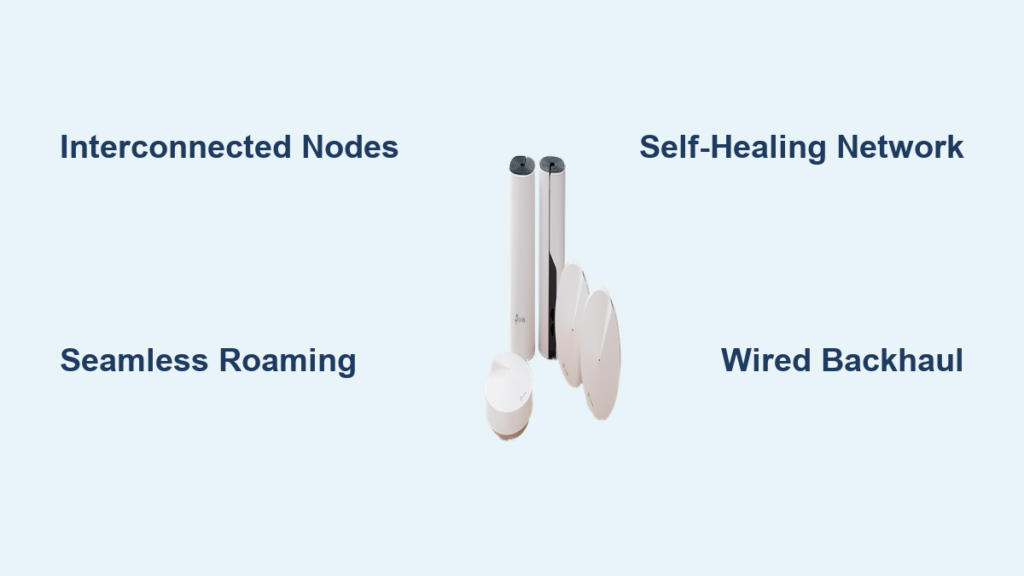
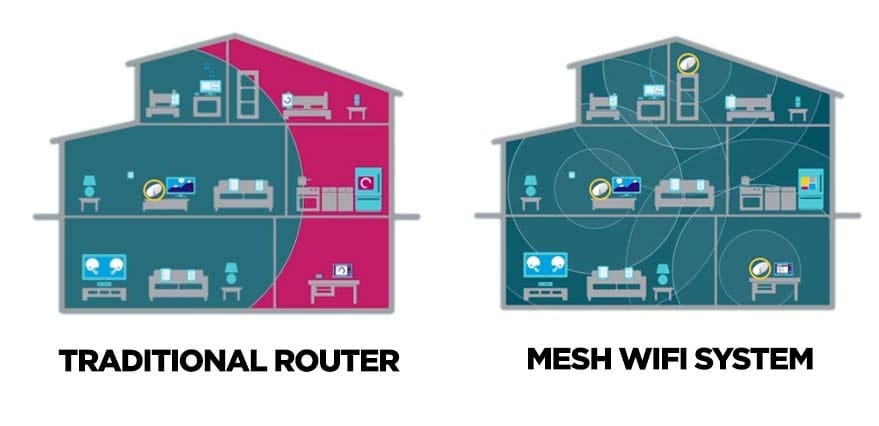
* Choose mesh systems for large homes needing whole-home coverage
* Verify compatibility with your specific ISP connection type
Check reviews for features like MU-MIMO to ensure better performance for multiple devices.
Safely Disconnect Your Old Router
Shutting down equipment correctly protects your hardware from power surges and data corruption.
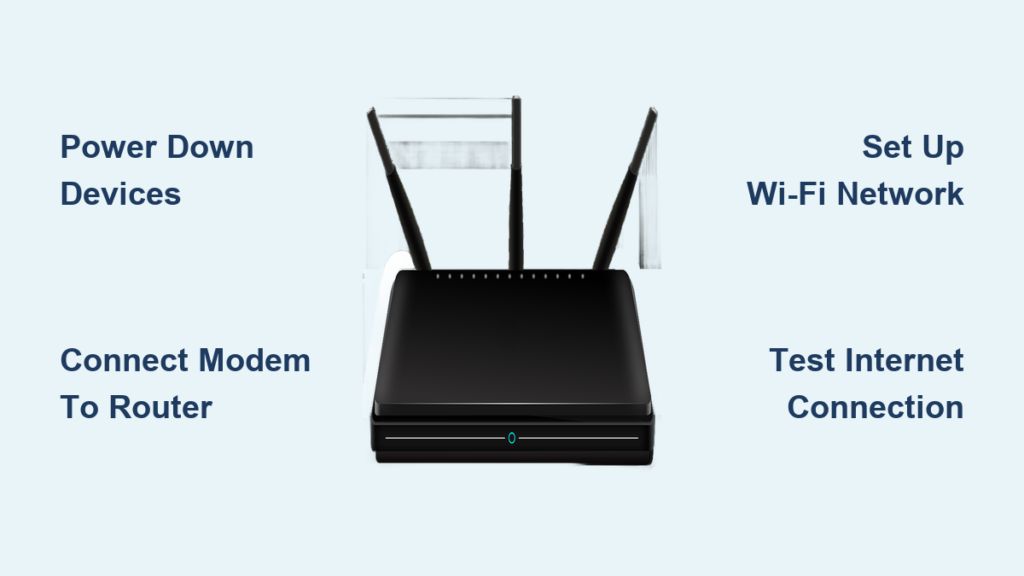
Power Down All Devices
Turn off the old router using the physical power button if available. Unplug the device from the wall outlet completely. Remove the Ethernet cable connecting the router to your modem. Wait at least 30 seconds to clear residual power from the system.
Warning: Never remove Ethernet cables while devices remain powered on. This action can cause signal conflicts or permanent modem lockups.
Document Your Connection Layout
Take note of how your previous hardware was connected before removing it.
* Identify which Ethernet port linked directly to the modem
* Note any hardwired devices like printers or desktop computers
* Recall if the router operated in bridge mode or as the main gateway
Taking a quick photo of the back panel helps significantly during reassembly.
Connect the New Router Hardware
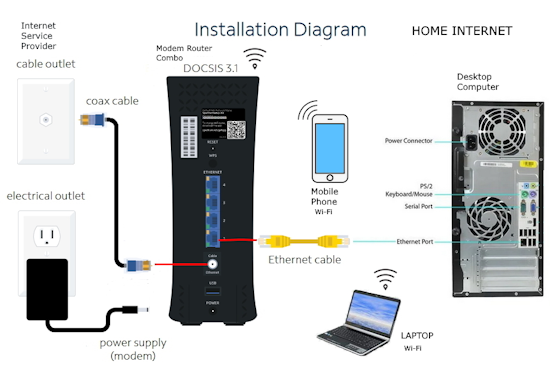
Correct physical connections are the foundation of a stable internet connection.
Link Modem to New Router
- Plug the modem back into power and turn it on.
- Wait 60 to 90 seconds for the modem to boot and establish a signal.
- Connect one end of an Ethernet cable to the modem LAN port.
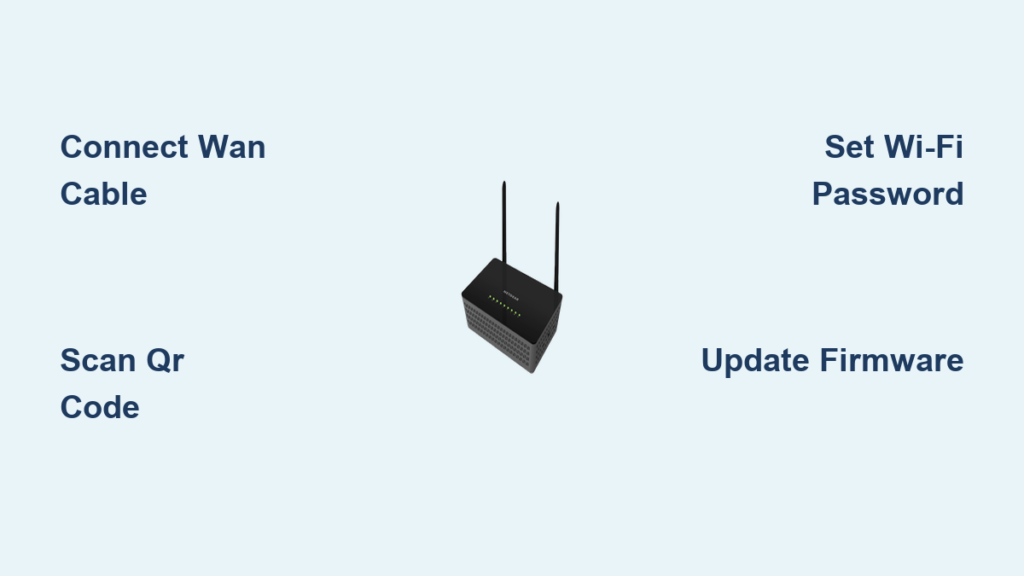
- Plug the other end into the WAN or Internet port on your new router.
Look for the port colored yellow or labeled with a globe icon. Ensure all connection lights stabilize before moving to the next step.
Power and Initialize the System
Plug the new router into an outlet and press the power button. Wait one to two minutes for the startup sequence to complete. Watch the status lights for specific indicators.
* Power light should remain solid
* Internet or WAN light should be solid or blinking green
* Wi-Fi symbol must be illuminated
If the Internet light stays red or remains off, double-check the cable connection between the modem and router.
Configure Router Settings and Wi-Fi
Modern routers require initial configuration through a web browser or mobile application.
Access the Setup Interface
Connect your computer or phone to the new router via Wi-Fi or Ethernet cable. Open a web browser and enter the setup address found on the device label. Common addresses include 192.168.1.1 or specific domains like tplinklogin.net. Alternatively, download the manufacturer’s dedicated app for guided setup.
Run the Setup Wizard
The on-screen assistant will guide you through critical security and network settings.
* Create a strong admin password for router management
* Set your preferred Wi-Fi network name or SSID
* Choose a secure Wi-Fi password using WPA3 or WPA2 encryption
* Select your time zone and enable automatic firmware updates
Pro Tip: Use the same SSID and password as your old network to avoid reconnecting every device manually. Allow five to ten minutes for the wizard to complete all changes.
Test Internet Connectivity Thoroughly
Verification ensures your new setup works before you rely on it for daily tasks.
Verify Online Access
Open a browser and visit a major website like google.com to test the connection. If the page loads immediately, your internet is active and functioning. Restart both modem and router if the page fails to load. Confirm the WAN light is green and check for any known service outages from your provider.
Connect Multiple Devices Simultaneously
Test your Wi-Fi by connecting a phone, laptop, and smart home device. Check for stable signal strength across all units. Ensure there are no authentication errors when joining the network. Verify full internet access on each device by loading a webpage or app. Reboot the router if any device struggles to connect initially.
Optimize Placement and Security Settings
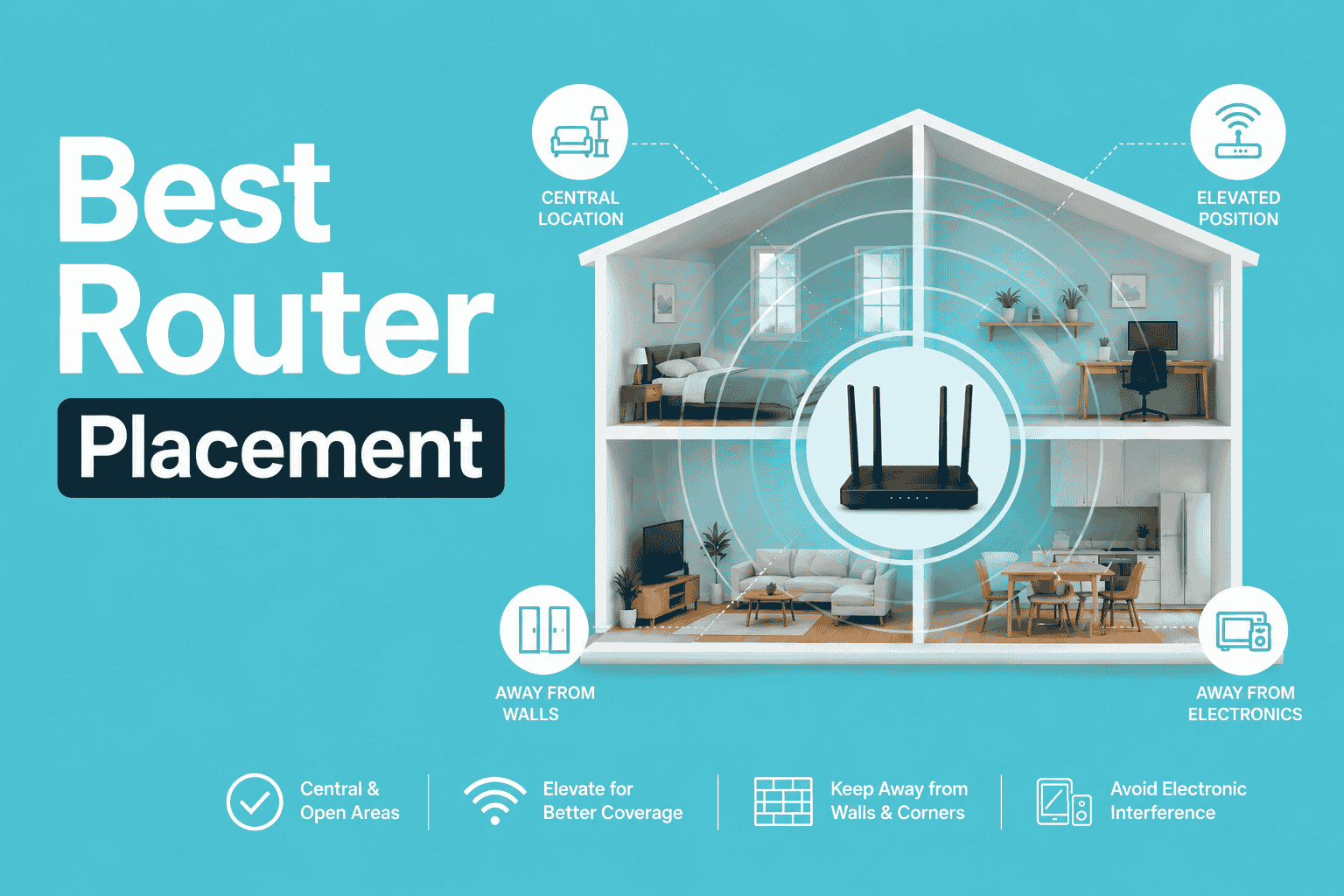
Fine-tuning your setup maximizes speed and protects your data from intruders.
Find the Ideal Router Location
Place your router in a central location elevated off the floor. Avoid corners, closed cabinets, or areas near microwaves and cordless phones. Keep the device at least three to six feet away from thick walls and metal objects. Consider a mesh system if you have a very large home with many dead zones.
Update Firmware and Enable Security
New routers often ship with outdated software that needs immediate attention. Log in to the admin panel or app to check for updates. Enable automatic firmware updates to stay protected against new threats. Turn on firewall protection and set up a guest network for visitors. Change the default admin username to prevent unauthorized access to your settings.
Troubleshoot Common Installation Issues

Even careful setups can encounter problems that require specific fixes.
Resolve No Internet After Replacement
Restart your modem and router in the correct sequence if you have no connection. Ensure the Ethernet cable sits firmly in the correct WAN port. Verify the modem has a live signal by checking its indicator lights. Contact your ISP if the issue persists, as some modems require MAC address registration.
Fix Wi-Fi Not Broadcasting
Ensure the Wi-Fi radio is enabled within the router settings menu. Confirm that both 2.4 GHz and 5 GHz bands are active and visible. Reset the router to factory settings and redo the setup process if the network remains hidden. Use the mobile app to toggle the wireless radios on manually.
Address Slow Speeds on New Hardware
Slow speeds often result from poor placement or interference from neighboring networks. Run a wired speed test to isolate whether the issue is wireless. Update the firmware if the router software is outdated. Check if older devices are limiting the overall network performance.
Maintain Your New Router Performance
Regular upkeep keeps your network reliable and secure over the long term.
Schedule Regular Reboots
Restart your router every one to two months to clear memory and refresh connections. Many modern routers allow you to schedule automatic reboots during off-peak hours. This simple step prevents slowdowns caused by memory leaks.
Monitor Network Usage and Plan Upgrades
Use your router app to view connected devices and track bandwidth usage. Remove unknown devices immediately and set usage limits if necessary. Routers typically last three to five years before needing replacement. Watch for frequent disconnections or overheating as signs it is time to upgrade again.
Frequently Asked Questions About Replacing a Router
Do I need to call my internet provider to replace my router?
You usually do not need to call unless your modem is combined with your router. If you have a separate modem, you can swap the router yourself. Some ISPs require you to register the new router’s MAC address via their website or support line.
Will replacing my router change my Wi-Fi password?
Your Wi-Fi password will change only if you set a new one during the setup process. You can choose to use the exact same network name and password as your old router. This allows your devices to reconnect automatically without manual intervention.
How long does it take to replace a router?
The physical swap takes about 10 minutes for most users. Configuration and testing usually add another 15 to 20 minutes. Total time depends on your familiarity with the setup interface and internet speed.
Can I use my old router as an access point?
Yes, many old routers can function as access points to extend coverage. You must disable the DHCP server on the old unit and connect it via LAN port. Check your specific model instructions for enabling access point mode.
What should I do with my old router?
Do not throw electronic waste in the regular trash. Many electronics stores offer recycling programs for old routers. You can also wipe the settings to factory default and donate it if it still works.
Key Takeaways for Replacing Your Router

Replacing your router is a manageable task that dramatically improves your home internet experience. Following the correct steps for disconnecting, connecting, and configuring ensures a stable and secure network. Proper placement and regular maintenance will keep your speeds fast and your connection reliable.
Start by gathering your tools and selecting a router that fits your specific needs. Follow the physical connection steps carefully and verify your internet access before finalizing settings. Your new hardware will provide better coverage and security for all your smart devices.